Master of Science in Leadership & Supervision
The Master of Science in Leadership & Supervision at Young Harris College is an accelerated graduate program designed for emerging and working professionals who are ready to transition to dynamic and confident leaders.
About Leadership & Supervision at Young Harris College
Ready to take the next step?


Learning Outcomes
- Lead Organizational Change
- Demonstrate Authentic Leadership
- Apply Advanced Supervision Practices
- Navigate Negotiation and Conflict Management
- Analyze Group Dynamics and Organizational Behavior
- Apply Research Methods to Organizational Challenges
- Utilize Coaching and Performance Development Techniques
Introduction Message
A Master’s of Science in Leadership & Supervision Introduction Message from Todd Jones, Dean of Graduate Programs

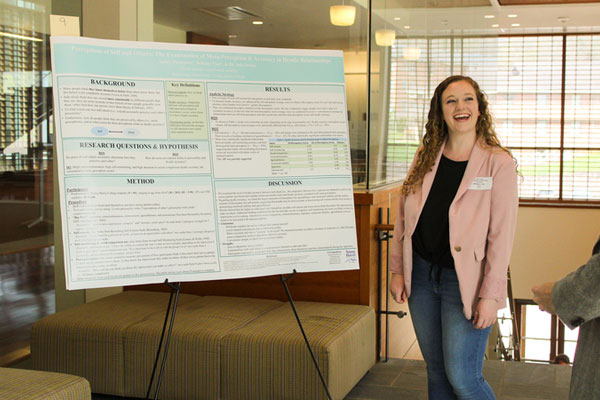
Alyssa Geis YHC MSLS GraduateI’m a proud 2007 alumni of Young Harris College and was intrigued to see a new virtual learning opportunity available. When reviewing the Master of Science in Leadership and Supervision degree program content and coursework, I knew I wanted to apply. Within the first couple of weeks of class, I felt excitedly challenged and was already able to apply my new learning to my current professional role. My ultimate goal is to secure a formal leadership position and I’m confident this program will equip me with the knowledge and skills to get me there.